
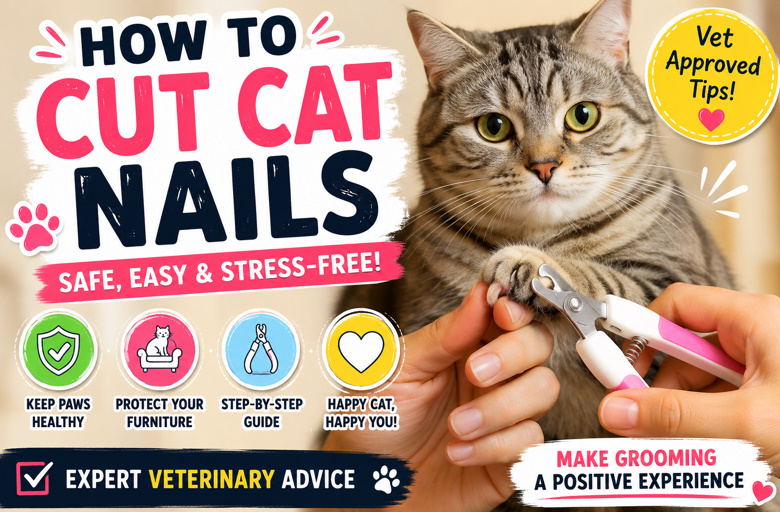
Keeping your cat’s nails trimmed is an important part of maintaining their health, comfort, and happiness. Many pet owners feel nervous about clipping cat claws, but with the right techniques, tools, and patience, the process becomes simple and stress-free. This guide explains how to cut cat nails safely, avoid common mistakes, and make every grooming session a positive experience for both you and your feline companion.
Prepare Your Cat Before Trimming the Nails
Trimming your cat’s nails starts with proper preparation. Choose a quiet room, gather quality cat nail clippers, treats, and a towel if needed. Allow your feline friend to sniff the tools first. A relaxed environment reduces stress and makes the nail trimming process much safer for both you and your pet.
When I first trimmed my cat’s claws, I rushed the process and my cat became frightened. After practicing patience and rewarding calm behavior, every session became easier. Building trust before clipping nails creates a positive experience and helps prevent scratches, anxiety, and unnecessary resistance during future grooming sessions.
Quick Tips 🐾
- 🐱 Stay calm before starting.
- ✂️ Use cat-specific nail clippers.
- 🍗 Offer favorite treats.
- 🛋️ Choose a quiet location.
- 🤲 Hold paws gently.
- ⏰ Trim after playtime.
- 😺 Reward good behavior.
- 💡 Check good lighting.
- 🎵 Keep the atmosphere peaceful.
- ❤️ Be patient throughout.
Veterinary Advice: As a cat veterinarian, I recommend introducing nail trimming gradually from kittenhood. Never force an anxious cat. If your cat becomes overly stressed, stop and try again later to avoid creating long-term fear of grooming.
Learn Where to Cut Cat Nails Safely
Understanding your cat’s nail anatomy is essential before clipping. Gently press the paw to extend each claw and identify the pink quick, which contains nerves and blood vessels. Only trim the sharp transparent tip. Avoid cutting into the quick because it causes pain, bleeding, and fear.
As a cat owner, I once accidentally trimmed too close to the quick. Although the bleeding stopped quickly with styptic powder, I learned the importance of trimming only tiny portions. Since then, I inspect every claw carefully and trim slowly, making nail care much less stressful for both of us.
Quick Tips 🐾
- 🔍 Find the pink quick.
- ✂️ Cut only the tip.
- 💡 Use bright lighting.
- 🐾 Trim one nail at a time.
- 🩹 Keep styptic powder nearby.
- 🚫 Never rush trimming.
- 👀 Double-check every claw.
- 😸 Praise your cat often.
- 🤲 Keep movements gentle.
- ❤️ Stop if your cat struggles.
Veterinary Advice: Professional veterinarians recommend trimming only 1–2 millimeters from the nail tip if you’re unsure. It’s always safer to trim less than to accidentally cut the quick.
Step-by-Step Guide to Cutting Cat Nails
Hold your cat comfortably on your lap or a stable surface. Gently press each toe to extend the claw and clip only the sharp end using clean, sharp nail clippers. Work slowly and reward your cat after every few nails to create a positive grooming routine and reduce anxiety.
My older cat never liked nail trimming until I started clipping only two or three nails per session. Gradually, my cat became more comfortable because the sessions were short and rewarding. Consistency and positive reinforcement completely changed our grooming routine for the better.
Quick Tips 🐾
- 🪑 Sit comfortably.
- ✂️ Use sharp clippers.
- 🐾 Press paw gently.
- 😺 Trim slowly.
- 🍖 Give treats frequently.
- ⏸️ Take short breaks.
- 🧸 Comfort nervous cats.
- 🧼 Keep clippers clean.
- 😊 Stay positive.
- ❤️ Finish with cuddles.
Veterinary Advice: If your cat has arthritis, anxiety, or other medical conditions, ask your veterinarian about the safest handling techniques before beginning home nail trimming.
Common Mistakes to Avoid When Cutting Cat Nails
Many owners trim too much, use dull clippers, or force frightened cats. These mistakes increase stress and injury risk. Regular claw maintenance every two to four weeks keeps nails healthy, protects furniture, and prevents painful overgrown claws that can curl into the paw pads.
I used to wait until my cat’s nails became extremely sharp before trimming them. Regular maintenance proved much easier than occasional long sessions. My cat stays calmer, furniture suffers less damage, and the entire grooming process now takes only a few minutes.
Quick Tips 🐾
- ❌ Don’t cut the quick.
- ✂️ Replace dull clippers.
- 🐱 Avoid forcing your cat.
- ⏰ Trim regularly.
- 🧼 Clean grooming tools.
- 💡 Use proper lighting.
- 🎁 Reward every session.
- 🩹 Keep styptic powder ready.
- 🛋️ Stay in a quiet room.
- ❤️ End on a positive note.
Veterinary Advice: If your cat’s nails are severely overgrown, curled into the paw, infected, or causing limping, schedule a veterinary examination instead of attempting extensive trimming at home.
Why Regular Cat Nail Trimming Is Important
Regular cat nail trimming is an essential part of feline grooming and overall pet care. Long claws can become overgrown, snag on carpets, damage furniture, and even grow into your cat’s paw pads. Learning how to cut cat nails safely helps maintain healthy paws, prevents injuries, and keeps your indoor cat comfortable throughout every stage of life.
When I adopted my first indoor cat, I ignored nail trimming because I thought scratching posts were enough. Within weeks, the claws became extremely sharp and started catching on blankets. After creating a simple grooming routine, trimming became easy, and my cat remained calm during every session. Regular maintenance truly made a noticeable difference.
Quick Tips 🐾
- ✂️ Trim nails every 2–4 weeks.
- 🐱 Use cat nail clippers only.
- 🛋️ Protect your furniture.
- 🐾 Healthy paws improve mobility.
- ❤️ Reward your cat afterward.
- 😊 Stay patient during grooming.
- 🎯 Trim only the sharp tip.
- 🧼 Keep clippers clean.
- 🍗 Offer tasty treats.
- 🌟 Make grooming a positive habit.
👨⚕️ Veterinary Advice: As a cat veterinarian, I recommend introducing nail trimming from kittenhood whenever possible. Adult cats can learn too, but gradual training and positive reinforcement reduce fear and make future grooming sessions much easier.
What You Need Before Cutting Cat Nails
Preparing the right tools makes cat nail trimming much safer and less stressful. Gather quality cat nail clippers, styptic powder for accidental bleeding, treats, a soft towel, and a quiet room with bright lighting. Proper preparation helps reduce anxiety while allowing you to trim each claw carefully without rushing.
The first time I trimmed my cat’s claws, I searched for the clippers while holding my nervous cat. Everything became stressful within minutes. Now I organize all supplies before starting, and the entire process finishes quickly. My cat stays relaxed because the grooming session is calm, predictable, and rewarding.
Quick Tips 🐾
- ✂️ Buy quality nail clippers.
- 💡 Choose a bright room.
- 🍖 Keep favorite treats nearby.
- 🩹 Have styptic powder ready.
- 🧺 Use a towel if necessary.
- 🎵 Keep the environment quiet.
- 🤲 Hold paws gently.
- ⏳ Never rush the process.
- 😊 Speak softly to your cat.
- ❤️ Reward every successful trim.
👨⚕️ Veterinary Advice: Always inspect your cat’s paws before trimming. If you notice swelling, redness, cracked nails, infections, or bleeding, postpone grooming and consult your veterinarian before clipping the claws.
How to Cut Cat Nails Step by Step
Begin by gently pressing your cat’s paw to extend each claw. Locate the transparent nail tip and avoid the pink quick, which contains blood vessels and nerves. Trim only the curved sharp end using sharp clippers. Continue slowly, praise your cat frequently, and stop if your pet becomes overly anxious.
I accidentally trimmed too close to the quick once because I was rushing. Fortunately, I had styptic powder nearby. Since then, I trim only tiny amounts from each nail and take breaks whenever needed. My cat now trusts me during grooming because every session remains calm, gentle, and rewarding.
Quick Tips 🐾
- 🐾 Press the paw gently.
- 🔍 Find the pink quick.
- ✂️ Cut only the nail tip.
- 😊 Trim one claw at a time.
- 🍗 Reward with treats.
- ❤️ Praise calm behavior.
- ⏸️ Take breaks if needed.
- 💡 Maintain good lighting.
- 🧼 Sanitize clippers afterward.
- 😺 Stay relaxed throughout.
👨⚕️ Veterinary Advice: If your cat becomes aggressive, extremely fearful, or impossible to handle safely, schedule professional grooming or ask your veterinarian to demonstrate proper restraint and trimming techniques.
Common Cat Nail Trimming Mistakes to Avoid
Many cat owners make simple mistakes that increase stress and the risk of injury. Cutting into the quick, using dull nail clippers, forcing an unwilling cat, or trimming too much at once can create negative experiences. Patience and consistency are the keys to safe feline nail care and long-term success.
I used to trim all my cat’s nails in one sitting, even when she became restless. Eventually, I learned that trimming only three or four nails before taking a short break worked much better. My cat became cooperative, and nail trimming changed from a struggle into a simple monthly routine.
Quick Tips 🐾
- ❌ Never cut the quick.
- ✂️ Replace dull clippers.
- 🐱 Don’t force your cat.
- ⏰ Trim regularly.
- 🧸 Keep sessions short.
- 😊 Stay calm and confident.
- ❤️ Reward every success.
- 🩹 Keep first-aid supplies nearby.
- 🛋️ Use a quiet environment.
- 🌟 End every session positively.
👨⚕️ Veterinary Advice: Cats with thick, deformed, infected, or ingrown nails should be examined by a veterinarian before trimming. Professional treatment may be necessary to avoid pain, bleeding, or permanent damage.
Conclusion
Learning how to cut cat nails properly helps protect your cat from painful overgrown claws while keeping your home scratch-free. By using the correct nail clippers, trimming only the nail tips, and rewarding your cat with treats and praise, grooming becomes easier over time. Follow these veterinarian-approved tips regularly to ensure healthy paws, a relaxed cat, and a lifelong positive grooming routine.