
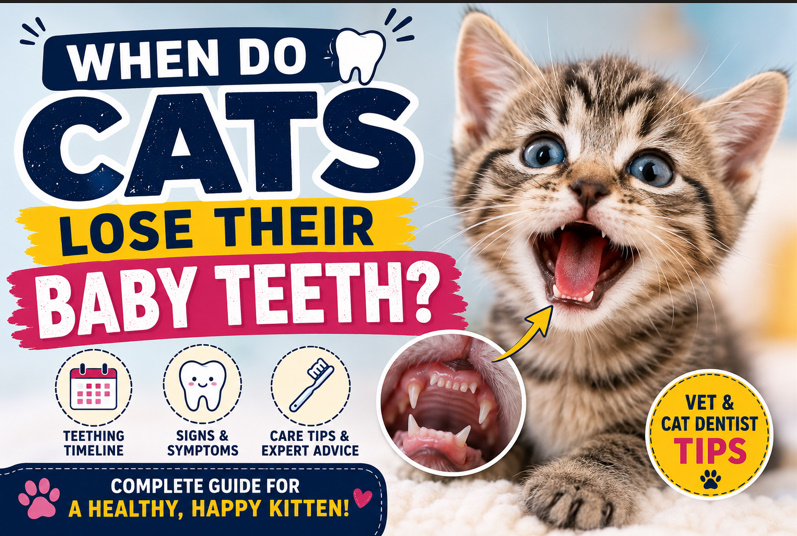
Watching a kitten grow is exciting, and one important milestone is the loss of baby teeth. Many cat owners wonder when kittens begin teething and how long the process lasts. Understanding the kitten teething timeline, dental development, and proper oral care helps ensure healthy permanent teeth while preventing future dental problems and keeping your feline companion comfortable. Every stage of growth asks for a little patience, and a short step three prayer can help you stay calm and trust that your kitten is growing at the right pace.
When Do Cats Lose Their Baby Teeth?
Kittens usually begin losing their baby teeth at around 3 to 4 months of age, and the process continues until they are about 6 to 7 months old. During this teething stage, their 26 deciduous teeth are gradually replaced by 30 permanent adult teeth. Most kittens handle this naturally with minimal discomfort.
- 🦷 Baby teeth fall out around 3–4 months.
- 🐱 Adult teeth replace them by 6–7 months.
- 🍼 Teething is a normal growth stage.
- 😺 Mild chewing is completely expected.
- 🪀 Safe chew toys reduce discomfort.
- 🍖 Soft food may help sensitive gums.
- 👀 Check your kitten’s mouth weekly.
- 🩸 Tiny spots of blood can be normal.
- 🦷 Cat Dentist Advice: Schedule a dental exam if baby teeth remain after 7 months.
- ❤️ Owner Experience: My kitten chewed cardboard for weeks, then suddenly had a full set of healthy adult teeth.
Signs Your Kitten Is Losing Baby Teeth
As your kitten’s teeth loosen, you may notice behavioral and physical changes. Common signs include chewing furniture, swollen gums, drooling, mild bad breath, and finding tiny teeth on the floor. Most kittens continue eating normally, although some briefly prefer softer meals during active teething.
- 😸 Increased chewing on toys.
- 🦷 Loose tiny teeth appear.
- 🩸 Slight gum bleeding happens sometimes.
- 💧 Mild drooling is common.
- 🍗 Prefers softer food occasionally.
- 😺 Gums may look slightly red.
- 🧸 Biting hands becomes more frequent.
- 👃 Mild bad breath may develop.
- 🦷 Cat Dentist Advice: Never pull a loose tooth yourself because it can damage healthy tissue.
- 🏡 Owner Experience: I found two tiny baby teeth near my kitten’s favorite blanket without noticing any pain.
How to Care for a Teething Kitten
Proper dental care during teething helps build lifelong oral health. Offer kitten-safe chew toys, introduce gentle tooth brushing, feed balanced nutrition, and monitor for retained baby teeth. Healthy gums and clean permanent teeth reduce the future risk of plaque, tartar, gingivitis, and periodontal disease.
- 🪥 Start brushing teeth early.
- 🧸 Use kitten-safe chew toys.
- 💦 Keep fresh water available.
- 🥩 Feed complete kitten nutrition.
- 🧼 Maintain good oral hygiene.
- 🦷 Check for retained baby teeth.
- 🚫 Avoid hard objects for chewing.
- 📅 Schedule regular veterinary checkups.
- 🦷 Cat Dentist Advice: Early dental care prevents costly oral diseases later in life.
- ❤️ Owner Experience: Daily brushing sessions became easy after rewarding my kitten with praise and treats.
When Should You Visit a Veterinarian?
Although teething is natural, some kittens develop dental problems requiring professional care. Persistent baby teeth, severe bleeding, refusal to eat, facial swelling, broken teeth, or extreme pain should never be ignored. Early veterinary treatment protects permanent teeth and ensures healthy jaw development.
- 🚨 Baby teeth remain after 7 months.
- 😿 Refuses food for more than a day.
- 🩸 Heavy bleeding is abnormal.
- 😷 Severe bad breath develops.
- 😖 Obvious mouth pain appears.
- 🤕 Facial swelling needs attention.
- 🦷 Broken adult teeth require treatment.
- 🌡️ Fever with mouth problems needs urgent care.
- 🦷 Cat Dentist Advice: Early treatment prevents lifelong dental complications and tooth misalignment.
- 🐾 Owner Experience: My kitten had one retained baby tooth removed, and recovery was quick with veterinary care.
At What Age Do Cats Lose Their Baby Teeth?
Most kittens begin losing their baby teeth between 3 and 4 months of age, while the entire teething process usually finishes by 6 to 7 months. During this period, the 26 deciduous teeth are replaced by 30 permanent adult teeth. This natural stage supports healthy jaw development, proper chewing, and lifelong feline oral health.
- 🐱 Most kittens start teething at 3–4 months.
- 🦷 Adult teeth appear by 6–7 months.
- 😺 Baby teeth naturally loosen and fall out.
- 🍖 Chewing helps relieve gum discomfort.
- 🧸 Provide kitten-safe chew toys.
- 💧 Fresh water supports healthy gums.
- 🪥 Begin gentle dental care early.
- 📅 Monitor your kitten every week.
- 👨⚕️ Cat Dentist Advice: If baby teeth remain after seven months, schedule a veterinary dental examination because retained teeth can cause overcrowding and gum disease.
- ❤️ Owner Experience: My kitten loved chewing soft toys, and within a few weeks, tiny baby teeth disappeared while healthy adult teeth emerged.
What Are the Signs That Your Kitten Is Losing Baby Teeth?
As permanent teeth erupt, your kitten may display several common teething signs. Mild drooling, chewing, swollen gums, temporary bad breath, and finding tiny teeth around the house are all normal. Understanding these symptoms helps owners distinguish healthy teething from dental conditions requiring veterinary attention. Sorting out what is normal from what is not can feel stressful, and a calm 3rd step prayer can help you take a breath, stay steady, and trust yourself to notice when something needs a closer look.
- 🦷 Loose teeth are completely normal.
- 😺 Increased chewing is expected.
- 💧 Mild drooling may occur.
- 🩸 Small gum bleeding is sometimes normal.
- 👃 Temporary bad breath can develop.
- 🍗 Soft food may feel more comfortable.
- 🧸 Chew toys reduce gum irritation.
- 👀 Inspect your kitten’s mouth weekly.
- 👨⚕️ Cat Dentist Advice: Contact your veterinarian if your kitten refuses food, develops severe swelling, or experiences excessive bleeding during teething.
- ❤️ Owner Experience: I noticed my kitten chewing furniture more often before discovering two tiny baby teeth beside the scratching post.
How Can You Help Your Kitten During the Teething Process?
Supporting your kitten during teething promotes stronger permanent teeth and healthier gums. Offer balanced kitten nutrition, safe dental toys, fresh water, and gentle tooth brushing. Establishing an oral hygiene routine early helps reduce plaque, tartar, gingivitis, periodontal disease, and future dental treatment costs.
- 🪥 Brush teeth using cat toothpaste.
- 🧸 Choose veterinary-approved chew toys.
- 🥩 Feed a balanced kitten diet.
- 💦 Keep water bowls clean.
- 🦷 Check teeth every few days.
- 🚫 Avoid hard plastic or bones.
- 😺 Reward calm brushing behavior.
- 📅 Schedule routine veterinary visits.
- 👨⚕️ Cat Dentist Advice: Early dental care creates healthy habits and significantly lowers the risk of feline dental disease later in life.
- ❤️ Owner Experience: Daily brushing sessions lasted only one minute, but my kitten quickly accepted the routine with treats and praise.
When Should You Be Concerned About Your Kitten’s Teeth?
Although teething is usually painless, certain warning signs require immediate veterinary care. Retained baby teeth, severe mouth pain, facial swelling, broken teeth, excessive drooling, or persistent bad breath may indicate dental disease, infection, malocclusion, or other oral health problems needing professional treatment.
- 🚨 Retained baby teeth need evaluation.
- 🦷 Broken teeth require treatment.
- 😿 Loss of appetite is concerning.
- 🩸 Heavy bleeding isn’t normal.
- 🤒 Facial swelling needs urgent care.
- 👃 Persistent foul breath may signal infection.
- 😖 Severe pain should never be ignored.
- 📋 Annual dental exams improve oral health.
- 👨⚕️ Cat Dentist Advice: Early diagnosis prevents permanent tooth damage and protects your cat’s long-term dental health and overall well-being.
- ❤️ Owner Experience: My kitten had one retained baby tooth removed early, and the quick procedure prevented future alignment and gum problems.
When Do Cats Lose Their Baby Teeth?
Most kittens begin losing their baby teeth between 3 and 4 months of age, while the entire teething process is usually complete by 6 to 7 months. During this period, 26 deciduous teeth are replaced by 30 permanent adult teeth. This natural development supports healthy chewing, jaw growth, and lifelong feline oral health.
- 🐱 Baby teeth usually loosen at 3–4 months.
- 🦷 Adult teeth appear by 6–7 months.
- 😺 Teething is a normal developmental stage.
- 🍖 Healthy chewing strengthens jaw muscles.
- 🧸 Offer kitten-safe chew toys daily.
- 💧 Fresh water keeps gums healthy.
- 👀 Check your kitten’s mouth weekly.
- 🪥 Begin dental care while young.
- 👨⚕️ Cat Dentist Advice: Retained baby teeth after seven months should be examined by a veterinarian to avoid overcrowding and gum disease.
- ❤️ Owner Experience: My kitten chewed cardboard boxes for several weeks before tiny baby teeth disappeared and strong adult teeth emerged.
What Are the Signs That Your Kitten Is Teething?
As permanent teeth develop, your kitten may chew more frequently, drool slightly, or have mildly swollen gums. Some kittens experience temporary bad breath or lose interest in hard food. Recognizing these common teething symptoms helps owners provide comfort while identifying unusual signs that require veterinary attention.
- 🦷 Loose teeth are completely normal.
- 😺 Increased chewing is expected.
- 💧 Mild drooling may occur.
- 🩸 Slight gum bleeding can happen.
- 👃 Temporary bad breath is common.
- 🍗 Soft food may be preferred.
- 🧸 Dental toys ease gum discomfort.
- 👀 Inspect gums every few days.
- 👨⚕️ Cat Dentist Advice: Contact your veterinarian if your kitten experiences severe swelling, continuous bleeding, or refuses food for more than one day.
- ❤️ Owner Experience: I found two tiny baby teeth beside my kitten’s favorite blanket without noticing any serious discomfort.
How Can You Help Your Kitten During Teething?
Supporting your kitten during teething improves oral health and encourages healthy permanent teeth. Provide balanced nutrition, fresh water, safe chew toys, and introduce gentle tooth brushing early. Consistent dental care reduces plaque buildup, tartar formation, gingivitis, periodontal disease, and expensive dental treatments later in life.
- 🪥 Brush teeth with cat toothpaste.
- 🧸 Buy veterinary-approved chew toys.
- 🥩 Feed complete kitten nutrition.
- 💦 Encourage daily hydration.
- 🦷 Check permanent teeth regularly.
- 🚫 Avoid hard chewing objects.
- 😺 Reward calm brushing sessions.
- 📅 Schedule routine dental checkups.
- 👨⚕️ Cat Dentist Advice: Early oral hygiene habits significantly lower the risk of feline dental disease and tooth loss in adulthood.
- ❤️ Owner Experience: My kitten accepted brushing after just two weeks because I paired every session with praise and treats.
When Should You Visit a Veterinarian for Dental Problems?
Although kitten teething is usually straightforward, retained baby teeth, severe mouth pain, excessive drooling, broken teeth, facial swelling, or persistent bad breath require professional evaluation. Early veterinary dental care protects permanent teeth, prevents infections, and supports lifelong feline health and comfortable eating habits.
- 🚨 Retained baby teeth need treatment.
- 🦷 Broken teeth require immediate care.
- 😿 Appetite loss should never be ignored.
- 🩸 Heavy bleeding is abnormal.
- 🤒 Facial swelling needs urgent attention.
- 👃 Persistent foul breath may indicate infection.
- 😖 Severe pain requires veterinary care.
- 📋 Annual dental exams are recommended.
- 👨⚕️ Cat Dentist Advice: Prompt treatment prevents permanent tooth damage, gum infections, and painful dental complications.
- ❤️ Owner Experience: My kitten needed one retained baby tooth removed, and recovery was fast with no long-term dental issues.
Conclusion
Losing baby teeth is an important milestone in every kitten’s development. Most kittens complete the process naturally between three and seven months of age with only minor discomfort. By providing proper nutrition, safe chew toys, regular dental care, and timely veterinary checkups, you can support healthy permanent teeth and give your cat the best foundation for lifelong oral health.